
Remote Control
☆☆☆☆☆
(0 reviews)
Lowest price (incl. delivery)
35,85 USD
Typical price373,39 PLN
Lowest (90 days)16,85 PLN
Offers7
Last updatedمنذ 6 أيام
Price history (90 days)
Full history
2026-08-08
2026-08-15
| تاريخ التحديث | السعر |
|---|---|
| 2026-08-08 | 39,99 |
| 2026-08-09 | 16,85 |
| 2026-08-14 | 35,99 |
| 2026-08-15 | 51,99 |
| البائع | Product price | Delivery | الإجمالي | التوفر | Updated | |
|---|---|---|---|---|---|---|
| KN Knetbooks.com | 16,85 USD | 19,00 USD | 35,85 USD | متوفر | منذ 6 أيام | View offer |
| SP SpringerNatureLink Shop INT | 7 149,00 JPY | 19,00 JPY | 7 168,00 JPY | متوفر | منذ 6 ساعات | View offer |
| SP Springer Nature Author | 7 149,00 JPY | free | 7 149,00 JPY | متوفر | منذ 6 أيام | View offer |
| SP SpringerNatureLink Shop INT | 49,99 USD | 25,00 USD | 74,99 USD | متوفر | منذ 15 ساعة | View offer |
| SP SpringerNatureLink Shop INT | 54,99 USD | free | 54,99 USD | متوفر | منذ 14 ساعة | View offer |
| SP SpringerNatureLink Shop INT | 54,99 USD | 15,00 USD | 69,99 USD | متوفر | منذ 14 ساعة | View offer |
| SP SpringerNatureLink Shop INT | 59,00 EUR | 29,00 EUR | 88,00 EUR | متوفر | منذ 13 ساعة | View offer |
قد تتغيّر الأسعار والتوفر. آخر تحديث: 09.08.2026 05:12.
0,0
☆☆☆☆☆
0 reviews
5★
0%
4★
0%
3★
0%
2★
0%
1★
0%
Product reviews
No reviews yet — be the first!
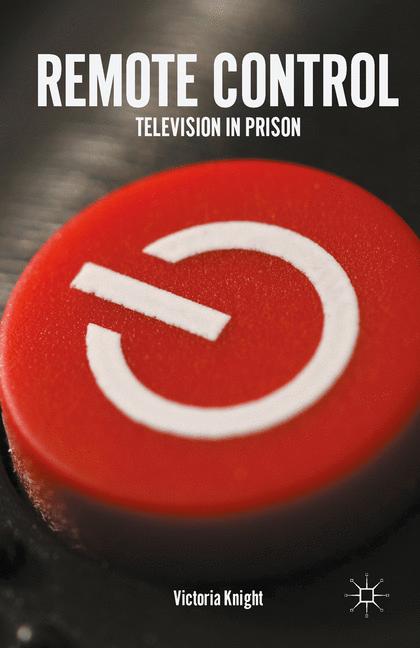
In-cell television is now a permanent feature of prisons in England and Wales, and a key part of the experience of modern incarceration. This sociological exploration of prisoners' use of television offers an engaging and thought provoking insight into the domestic and everyday lives of people in prison - with television close at hand. Victoria Knight explores how television contributes to imprisonment by normalising the prison cell. In doing so it legitimates this space to hold prisoners for long periods of time, typically without structured activity. As a consequence, television's place in the modern prison has also come to represent an unanticipated resource in the package of care for prisoners. This book uncovers the complex and rich emotive responses to prison life. Dimensions of boredom, anger, frustration, pleasure and happiness appear through the rich narratives of both prisoners and staff, indicating the ways institutions and individuals deal with their emotions. It also offers an insight into the unfolding future of the digital world in prisons and begins to consider how the prisoner can benefit from engagement with digital technologies. It will be of great interest to practitioners and scholars of prisons and penology, as well as those interested in the impact of television on society.
Similar products
 Sustainable Development
from $2,281.25
Sustainable Development
from $2,281.25
 Author Title and Subject Guide
from $1,780.26
Author Title and Subject Guide
from $1,780.26
 Debating Issues in American Education
from $825.02
Debating Issues in American Education
from $825.02
 Karl Popper
from $1,978.07
Karl Popper
from $1,978.07
 Encyclopedia of Journalism
from $1,058.62
Encyclopedia of Journalism
from $1,058.62
 NUR 110 Print+Ebook Bundle
from $1,908.35
NUR 110 Print+Ebook Bundle
from $1,908.35
 GMR Springfield Paramedic 9E Flipped Bundle Updated .
from $1,382.58
Nursing Volume 1 & 2 with Clinical Nursing Skills Volume 3 & MyNursingLab Package
from $1,183.17
GMR Springfield Paramedic 9E Flipped Bundle Updated .
from $1,382.58
Nursing Volume 1 & 2 with Clinical Nursing Skills Volume 3 & MyNursingLab Package
from $1,183.17