
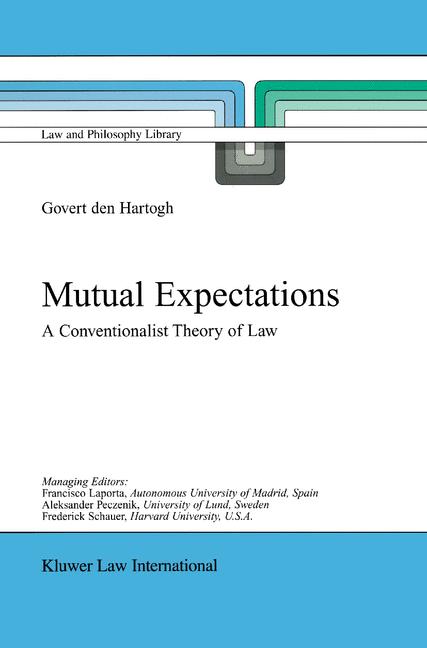
Mutual Expectations
☆☆☆☆☆
(0 reviews)
Lowest price (incl. delivery)
21 449,00 JPY
Typical price2 982,55 PLN
Lowest (90 days)129,99 PLN
Offers7
Last updatedمنذ أسبوع
Price history (90 days)
Full history
2026-08-08
2026-08-15
| تاريخ التحديث | السعر |
|---|---|
| 2026-08-08 | 129,99 |
| 2026-08-15 | 155,99 |
| البائع | Product price | Delivery | الإجمالي | التوفر | Updated | |
|---|---|---|---|---|---|---|
| SP SpringerNatureLink Shop INT | 21 449,00 JPY | free | 21 449,00 JPY | متوفر | منذ 6 أيام | View offer |
| SP Springer Nature Author | 21 449,00 JPY | 19,00 JPY | 21 468,00 JPY | متوفر | منذ أسبوع | View offer |
| SP SpringerNatureLink Shop INT | 149,99 USD | free | 149,99 USD | متوفر | منذ أسبوع | View offer |
| SP SpringerNatureLink Shop INT | 149,99 USD | free | 149,99 USD | متوفر | منذ أسبوع | View offer |
| SP SpringerNatureLink Shop INT | 169,99 USD | 25,00 USD | 194,99 USD | متوفر | منذ أسبوع | View offer |
| SP SpringerNatureLink Shop INT | 169,99 USD | 29,00 USD | 198,99 USD | متوفر | منذ أسبوع | View offer |
| SP SpringerNatureLink Shop INT | 177,00 EUR | free | 177,00 EUR | متوفر | منذ أسبوع | View offer |
قد تتغيّر الأسعار والتوفر. آخر تحديث: 08.08.2026 23:35.
0,0
☆☆☆☆☆
0 reviews
5★
0%
4★
0%
3★
0%
2★
0%
1★
0%
Product reviews
No reviews yet — be the first!
The law persists because people have reasons to comply with its rules. What characterizes those reasons is their interdependence: each of us only has a reason to comply because he or she expects the others to comply for the same reasons. The rules may help us to solve coordination problems, but the interaction patterns regulated by them also include Prisoner's Dilemma games, Division problems and Assurance problems. In these "games" the rules can only persist if people can be expected to be moved by considerations of fidelity and fairness, not only of prudence. This book takes a fresh look at the perennial problems of legal philosophy - the source of obligation to obey the law, the nature of authority, the relationship between law and morality, and the nature of legal argument - from the perspective of this conventionalist understanding of social rules. It argues that, since the resilience of such rules depends on cooperative dispositions, conventionalism, properly understood, does not imply positivism.
Similar products
 50 Years of Philosophy and Medicine
from $107.30
50 Years of Philosophy and Medicine
from $107.30
 Understanding Cybersecurity Law and Digital Privacy
from $122.63
Understanding Cybersecurity Law and Digital Privacy
from $122.63
 Decisions in International Trade and Logistics
from $122.63
Decisions in International Trade and Logistics
from $122.63
 Advances in Economic Measurement
from $122.63
Advances in Economic Measurement
from $122.63
 Nanomaterials
from $137.96
Nanomaterials
from $137.96
 Sustainable Scaffolds-based Strategies in Tissue Engineering and Regenerative Medicine
from $162.87
Sustainable Scaffolds-based Strategies in Tissue Engineering and Regenerative Medicine
from $162.87
 Narratives in Educational Research
from $162.87
Narratives in Educational Research
from $162.87
 Environmental Biology of the Young Chinese Sturgeon
from $210.78
Environmental Biology of the Young Chinese Sturgeon
from $210.78